



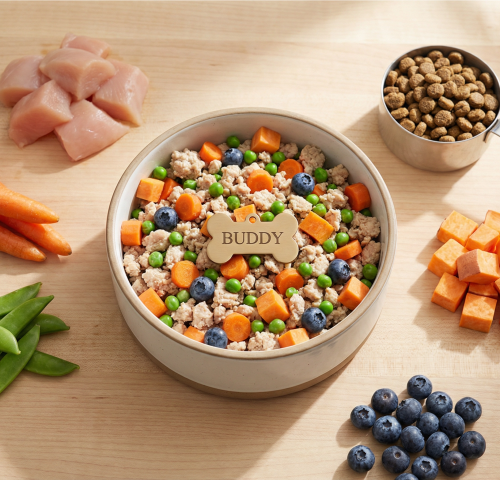

As loving pet parents, we want nothing but the best for our furry companions. We meticulously research the safest toys, the most comfortable beds, and the most effective training techniques. But what about their food? For years, the pet food industry has been dominated by one-size-fits-all kibble. While convenient, this approach to nutrition often overlooks the unique needs of individual dogs. Just like humans, every dog is different, with their own specific dietary requirements based on their age, breed, activity level, and health conditions. This is where personalized dog nutrition comes in — a growing trend that is revolutionizing the way we feed our pets.
Personalized dog nutrition is all about tailoring your dog’s diet to their specific needs. It moves away from the generic, mass-produced pet food and instead focuses on providing a balanced and complete diet that is optimized for your dog’s individual health and well-being. This can involve feeding a fresh, raw, or customized meal plan, all of which offer a range of benefits that can significantly improve your dog’s quality of life. This guide will explore the rise of these personalized diets and help you decide if making a switch is the right move for your beloved canine.
Why One-Size-Fits-All No Longer Works
The concept of personalized nutrition is not new. In human nutrition, it has been a cornerstone of health and wellness for decades. We understand that a diet that works for one person may not work for another. The same principle applies to our dogs. A young, active Border Collie will have very different nutritional needs than a senior, sedentary Bulldog. By personalizing your dog’s diet, you can ensure they are getting the precise nutrients they need to thrive. According to the American Animal Hospital Association, there is no single best food for all dogs; the right choice depends on a variety of individual factors unique to each pet.
One of the main advantages of personalized dog nutrition is that it can help to address a wide range of health issues. For example, if your dog suffers from allergies, a customized diet can help to identify and eliminate the trigger ingredients. Similarly, if your dog is overweight, a personalized meal plan can help them to shed the extra pounds and maintain a healthy weight. By providing your dog with a diet that is tailored to their specific needs, you can help them to live a longer, healthier, and happier life. For more on keeping your dog in top shape, explore our Health & Wellness articles.
Fresh Food Diets A Healthier Alternative to Kibble
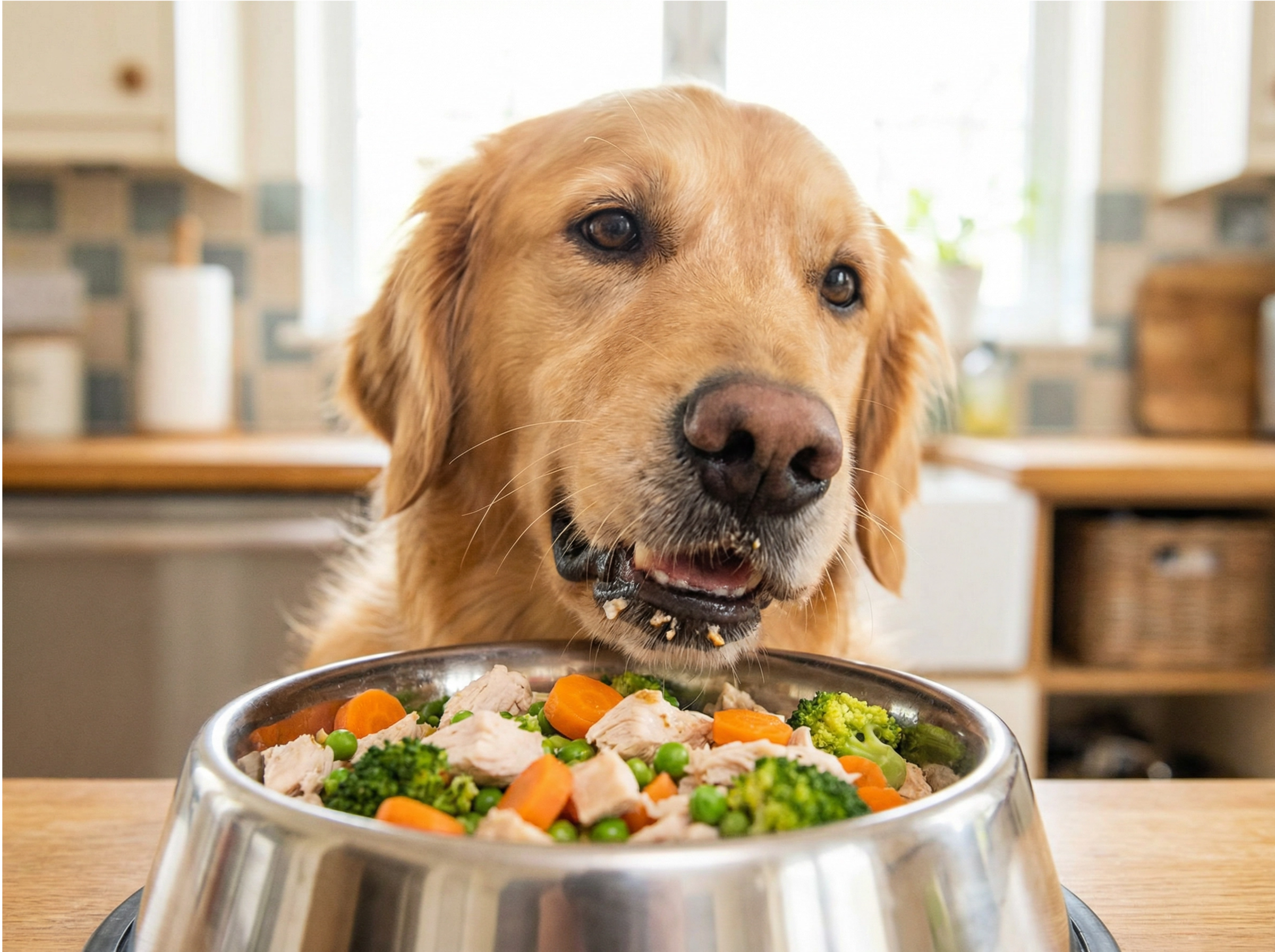
Fresh food diets are one of the most popular forms of personalized dog nutrition. As the name suggests, these diets consist of fresh, whole ingredients that are gently cooked to preserve their nutritional value. Unlike traditional kibble, which is often highly processed and can contain artificial preservatives and fillers, fresh food diets are made with human-grade ingredients that are fit for our own consumption. This means you can be confident that you are feeding your dog a diet that is not only delicious but also highly nutritious.
Benefits of Feeding Fresh Food
There are many benefits to feeding your dog a fresh food diet. For one, it can help to improve their digestion. The fresh, whole ingredients are easier for your dog to digest than the processed ingredients found in kibble. This can lead to smaller, firmer stools and less gas. A fresh food diet can also help to improve your dog’s skin and coat, leaving them with a healthy, shiny coat that is free from dryness and irritation. Many dog owners also report that their dogs have more energy and are more playful after switching to a fresh food diet. Research published by the National Institutes of Health suggests that minimally processed diets can offer measurable health benefits for dogs, including improved gut microbiome diversity.
Raw Food Diets Tapping into Your Dog’s Ancestral Roots
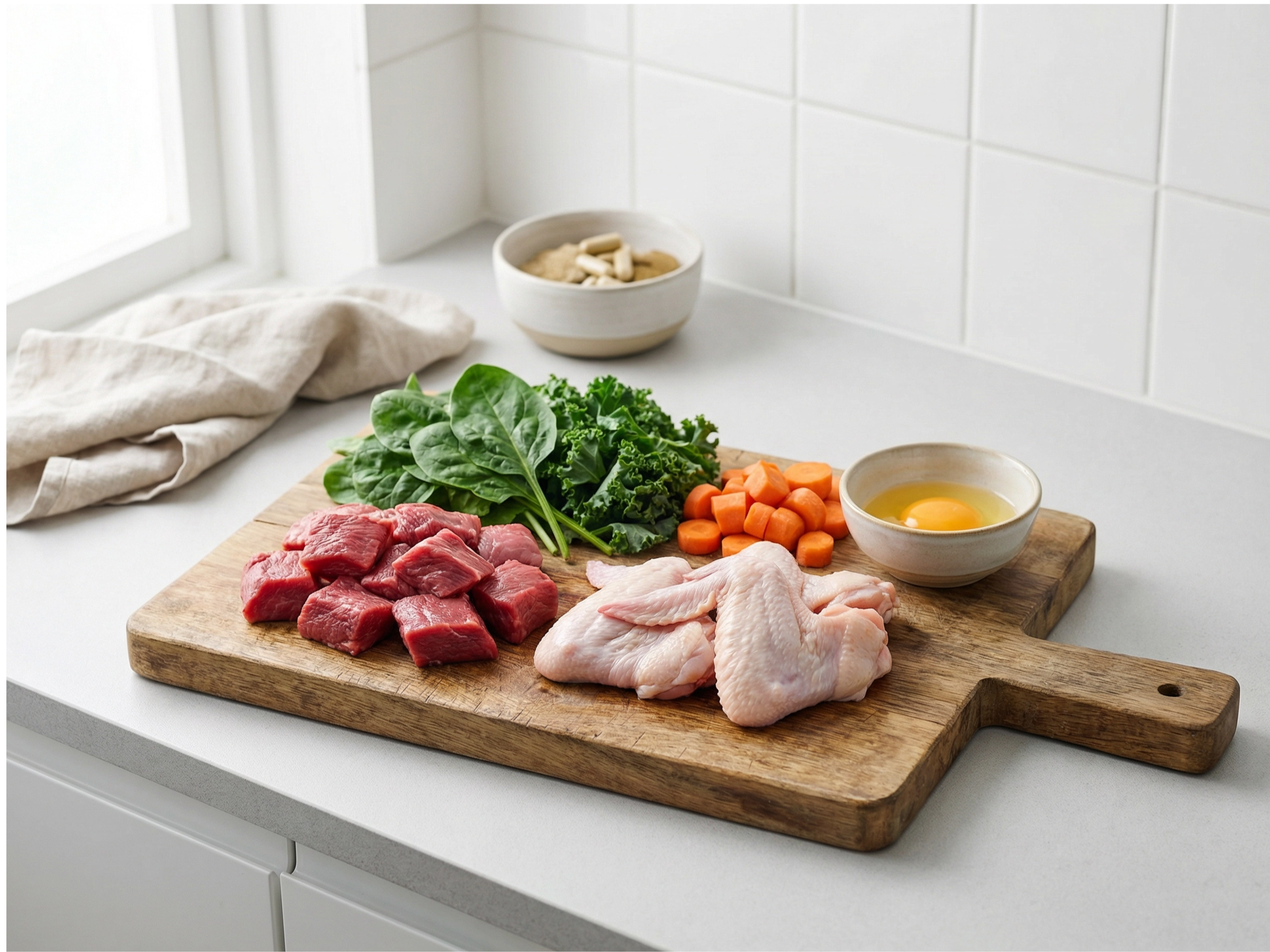
Raw food diets, also known as BARF (Biologically Appropriate Raw Food ), are another popular option for personalized dog nutrition. This type of diet is based on the idea that dogs should eat a diet that is similar to what their ancestors ate in the wild. This typically includes raw meat, bones, fruits, and vegetables. The goal of a raw food diet is to provide your dog with a diet that is as natural and unprocessed as possible.
Weighing the Pros and Cons
There are many potential benefits to feeding your dog a raw food diet. Proponents of this diet claim that it can lead to improved digestion, healthier skin and coat, cleaner teeth, and increased energy levels. However, it is important to note that raw food diets are not without their risks. Raw meat can contain harmful bacteria, such as Salmonella and E. coli, which can make your dog sick. The American Veterinary Medical Association (AVMA ) has expressed concerns about the health risks to both pets and their owners when handling raw meat. It is also important to ensure that a raw food diet is properly balanced to meet all of your dog’s nutritional needs. For these reasons, it is essential to consult with a veterinarian or a veterinary nutritionist before switching your dog to a raw food diet. You can also review our Care Tips for more guidance on keeping your dog safe and healthy.
Customized Meal Plans The Ultimate in Personalized Nutrition
Customized meal plans take personalized dog nutrition to the next level. These plans are created by pet food companies that specialize in creating custom-tailored diets for dogs. To get started, you will typically need to fill out a detailed questionnaire about your dog’s age, breed, activity level, and health history. The company will then use this information to create a unique meal plan that is perfectly balanced to meet your dog’s individual needs.
Is a Customized Plan Worth the Investment?
Customized meal plans can be a great option for dogs with specific health issues, such as allergies, digestive problems, or joint pain. They can also be a good choice for picky eaters, as the meals are often more palatable than traditional kibble. While customized meal plans can be more expensive than other types of dog food, many pet owners find that the benefits are well worth the cost. By investing in a customized meal plan, you can be sure that you are providing your dog with the best possible nutrition. For a deeper dive into what makes a healthy dog diet, visit our dedicated Dog Nutrition section.

How to Make the Switch Safely
If you are considering switching your dog to a personalized nutrition plan, it is important to do so gradually. A sudden change in diet can upset your dog’s stomach and lead to digestive issues. Start by mixing a small amount of the new food with your dog’s current food. Over the course of a week or two, gradually increase the amount of the new food while decreasing the amount of the old food. This will give your dog’s digestive system time to adjust to the new diet.
It is also a good idea to consult with your veterinarian before making any major changes to your dog’s diet. Your veterinarian can help you to choose a personalized nutrition plan that is right for your dog and can provide you with guidance on how to make the transition as smooth as possible. With a little planning and patience, you can successfully switch your dog to a personalized nutrition plan that will help them to thrive for years to come. For expert guidance from board-certified specialists, the American College of Veterinary Nutrition is an excellent resource for finding a qualified veterinary nutritionist near you.
The Future of Dog Nutrition Is Personal
Personalized dog nutrition is more than just a passing trend. It is a movement that is driven by a growing understanding of the importance of individualized nutrition for our pets. As more and more pet owners become aware of the benefits of personalized diets, we can expect to see even more innovation in this area. From new and improved fresh and raw food options to even more sophisticated customized meal plans, the future of dog nutrition is looking brighter than ever. By embracing this new approach to feeding our pets, we can help them to live longer, healthier, and happier lives — one carefully crafted meal at a time.