



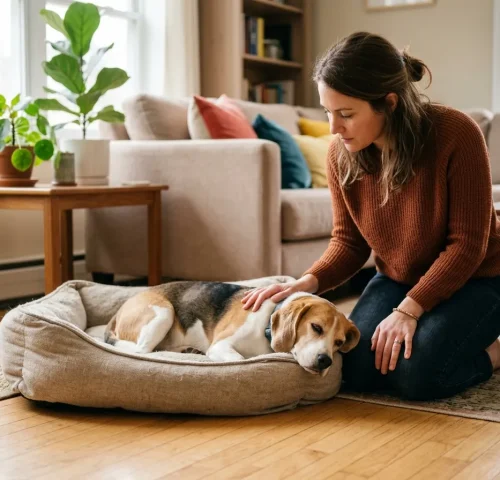

Every dog owner knows the feeling — you wake up to an accident on the floor, or your pup is sprinting to go outside far more often than usual. Dog diarrhea is one of the most common issues pet parents deal with, and while it is never pleasant, the good news is that most mild cases can be managed right at home.
The key is knowing which remedies actually help, which ones to avoid, and — just as importantly — when it is time to stop guessing and call your vet. This guide covers all of it, so you can act quickly, calmly, and confidently the next time your dog’s stomach is out of sorts.
Why Dogs Get Diarrhea
Before reaching for a remedy, it helps to understand what caused the problem in the first place. Diarrhea in dogs is a symptom rather than a disease itself — it signals that something else is going on in the digestive system. Some causes are minor and self-resolving; others require veterinary attention.
Common Causes of Mild Diarrhea
- Dietary indiscretion — eating garbage, table scraps, something off the ground, or simply too many treats
- A sudden change in food — switching dog food brands or formulas too quickly without a gradual transition
- Stress or anxiety — travel, changes in routine, a new pet or family member, or loud environments
- Mild bacterial or viral upset — temporary GI disturbances that resolve on their own within a day or two
When Diarrhea May Signal Something Serious
Dog diarrhea is considered an emergency any time there is blood in the stool and it is accompanied by other symptoms such as vomiting, lethargy, fever, weakness, abdominal distension, abdominal pain, or signs of dehydration — learn more about when dog diarrhea becomes an emergency. If your dog falls into any of these categories, skip the home remedies and contact your vet immediately. Home treatments are only appropriate for dogs that are otherwise acting normally — eating, drinking, and behaving as usual — with mild, uncomplicated loose stools.
Senior dogs, puppies, and dogs with existing health conditions also warrant earlier veterinary attention, as they are more vulnerable to dehydration and complications.
Simple Home Remedies for Dog Diarrhea
If your dog is acting normally and the diarrhea appears to be a mild, isolated case, the following vet-approved remedies can help settle their stomach and restore normal digestion.
1. Give Their Gut a Rest With a Short Fast
One of the simplest first steps for a healthy adult dog with sudden diarrhea is temporarily withholding food for 12 to 24 hours. According to The Farmer’s Dog, fasting gives your dog’s body a break from the energy-intensive process of digestion, allowing the GI tract time to calm down and begin healing on its own. Always keep fresh water available during this period to prevent dehydration. Do not fast puppies, senior dogs, or dogs with known health conditions without checking with your vet first.
2. Transition to a Bland Diet
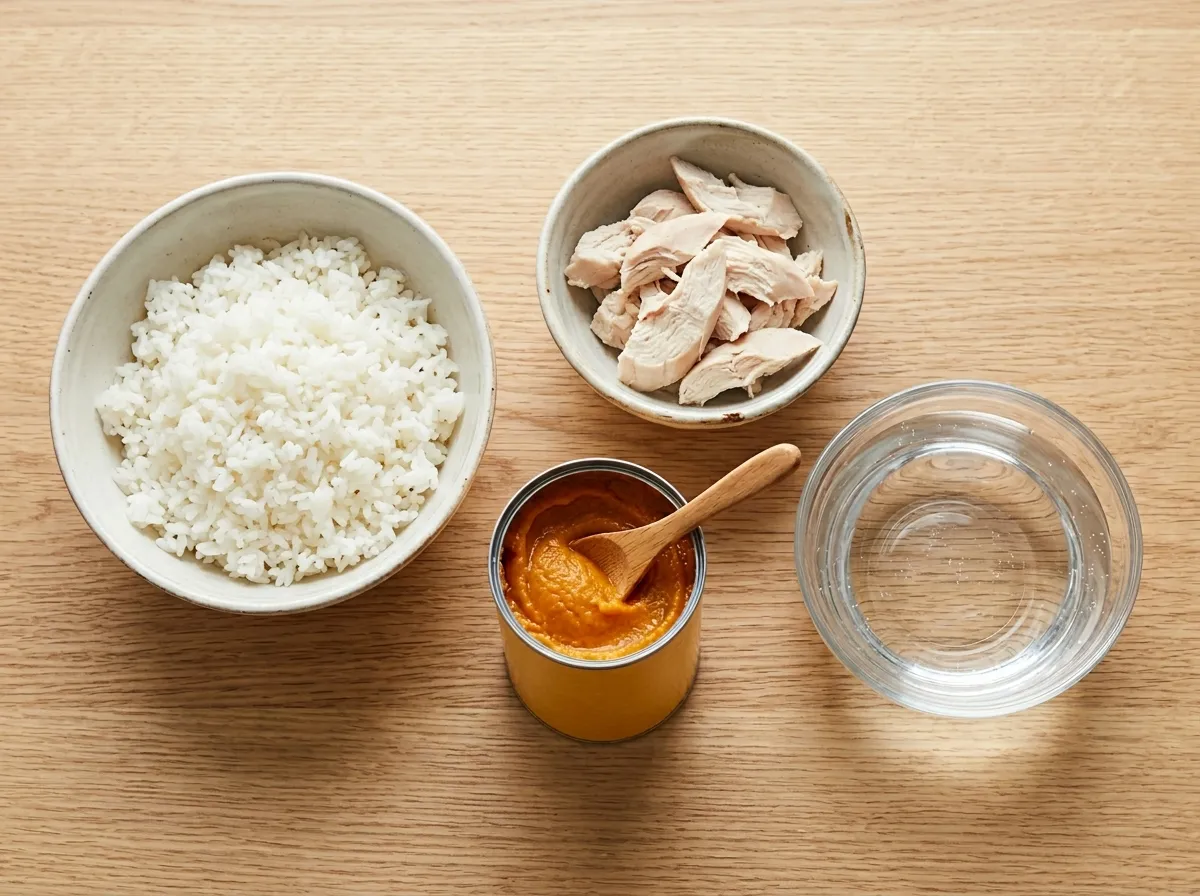
A bland diet is the cornerstone of at-home diarrhea care, and it is recommended by vets across the board. According to the Cornell University College of Veterinary Medicine, mild cases of diarrhea in dogs can be treated at home by feeding boiled chicken or low-fat hamburger with white rice — easy-to-digest foods that give the GI tract a much-needed break.
Here is how to prepare it correctly:
- Boil plain, skinless chicken breast or lean ground beef in unsalted water — no butter, oil, or seasoning of any kind
- Cook plain white rice separately
- Combine them using a 2:1 ratio — two parts rice to one part protein — and feed small, frequent meals rather than one large portion
- Start with one to two tablespoons per feeding depending on your dog’s size, and gradually increase if they tolerate it well
- Feed the bland diet for three to five days, then slowly reintroduce their regular food by mixing increasing amounts over several days
A bland diet should not be fed for more than a week in adult dogs, as it does not provide complete balanced nutrition over the long term.
3. Add Plain Canned Pumpkin
Plain pumpkin puree — not pumpkin pie filling, which contains spices and sugar — is one of the most effective and widely recommended natural remedies for dog diarrhea. As noted by Wuffes, pumpkin is rich in soluble fiber, which absorbs excess water in the gut to help firm up loose stools, and it also acts as a prebiotic that feeds the beneficial bacteria in your dog’s digestive tract. A typical starting dose is one to four tablespoons mixed into food, depending on your dog’s size. Smaller dogs should start at the lower end.
4. Try Rice Water
Rice water is the starchy, creamy liquid left over after boiling white rice. Offering it alongside your dog’s normal water bowl can help soothe the digestive tract and support hydration — especially important since diarrhea can lead to fluid loss quickly. Allow the rice water to cool completely before serving, and offer it in small amounts alongside their regular water bowl.
5. Use a Probiotic
Diarrhea disrupts the natural balance of bacteria in your dog’s gut. Probiotics help restore that balance. According to the American Kennel Club, veterinarian-recommended probiotics promote healthy gut bacteria and aid digestion — and plain yogurt with active cultures may also help some dogs who can tolerate dairy products. Dog-specific probiotic supplements are available from most pet stores and are generally a safer, more targeted option than yogurt. Ask your vet which formula is best suited to your dog’s size and condition.
6. Ensure Proper Hydration
Dehydration is the most serious risk associated with diarrhea, particularly in puppies and senior dogs. Make sure fresh, clean water is always available and easily accessible. If your dog is reluctant to drink, try adding a small amount of low-sodium chicken broth to their water to encourage intake. Watch for signs of dehydration including dry or tacky gums, sunken eyes, and unusual lethargy — any of these should prompt a call to your vet.
Keeping your dog well-nourished and properly hydrated is a cornerstone of everyday care. For a broader look at feeding your dog for long-term health, explore our Dog Nutrition category for guides on balanced diets and safe food choices.
What NOT to Give Your Dog
Just as important as knowing the right remedies is knowing which ones to avoid. Some common human medications that seem harmless can actually be dangerous — or even fatal — for dogs.
Avoid Human Anti-Diarrheal Medications
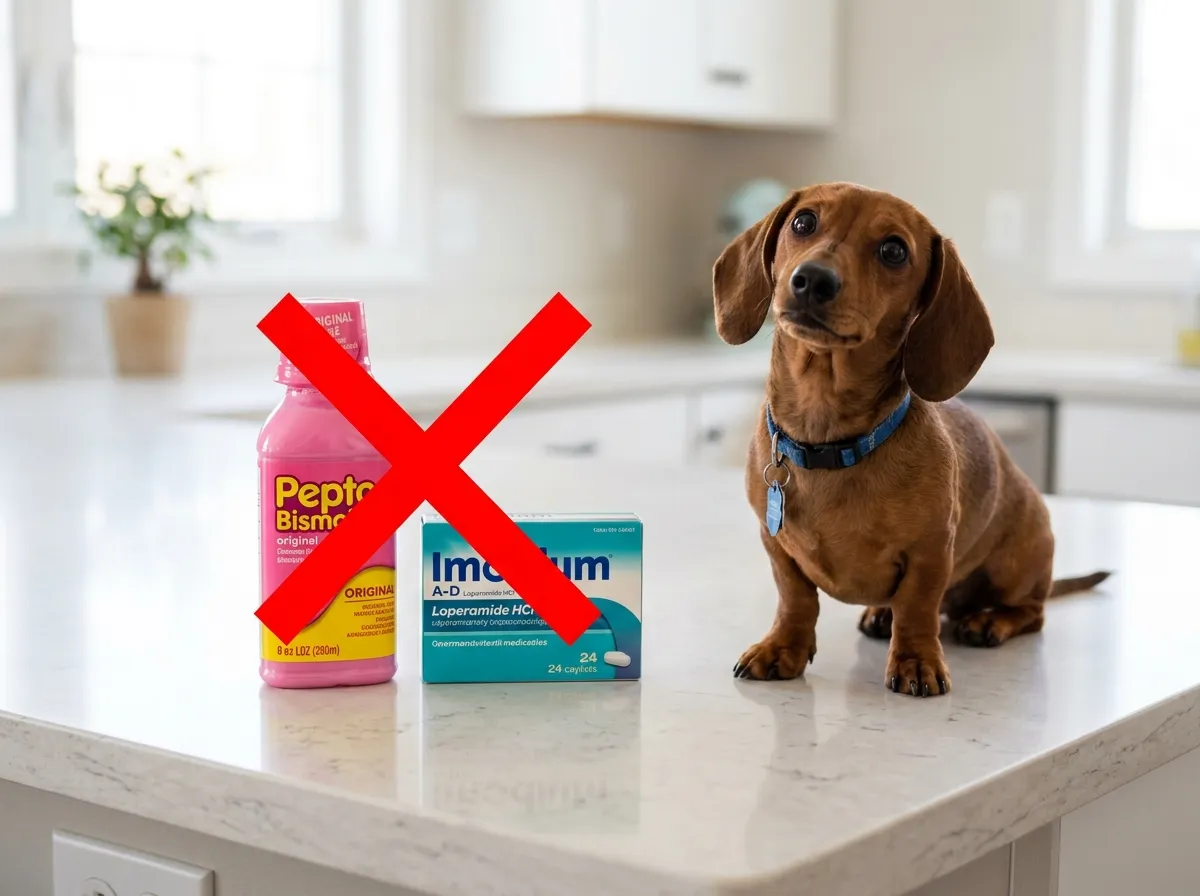
According to VCA Animal Hospitals, human medications should never be given to dogs without veterinary guidance. Kaopectate and Pepto-Bismol both contain bismuth subsalicylate, which can cause toxicity in dogs at high doses. Imodium works by slowing the gastrointestinal tract — and if your dog has ingested something harmful, has a blockage, or has parasites that need to pass, this medication may actually worsen the condition.
The same rule applies to any other medication you may have at home. Never administer anything to your dog without confirming it is safe with your veterinarian first.
Avoid Rich, Fatty, or Spiced Foods
Even well-meaning additions like broth with onion, buttered rice, or seasoned chicken can irritate your dog’s already sensitive GI tract and make things significantly worse. Stick to plain, unseasoned ingredients throughout the recovery period, and resist the urge to add flavor to encourage eating.
How Long Should You Try Home Remedies?
Home treatment is appropriate for mild cases only, and only for a limited window of time. According to GoodRx, a mild case of dog diarrhea should only last about two days — if it continues beyond that, it is time to call your veterinarian for a proper diagnosis and treatment plan.
Stop home treatment and contact your vet right away if:
- Diarrhea lasts longer than 48 hours with no improvement
- Blood appears in the stool — whether bright red or dark and tarry
- Vomiting begins or worsens alongside the diarrhea
- Your dog becomes lethargic, stops eating, or refuses water
- Signs of dehydration appear — dry gums, sunken eyes, or skin that does not spring back when gently pinched
- Your dog is a puppy, a senior, or has a known health condition
For senior dogs in particular, digestive issues can escalate more quickly. Our Complete Guide to Golden Years Wellness covers how aging affects your dog’s digestive health and what adjustments to make as they get older.
Preventing Diarrhea in the Future
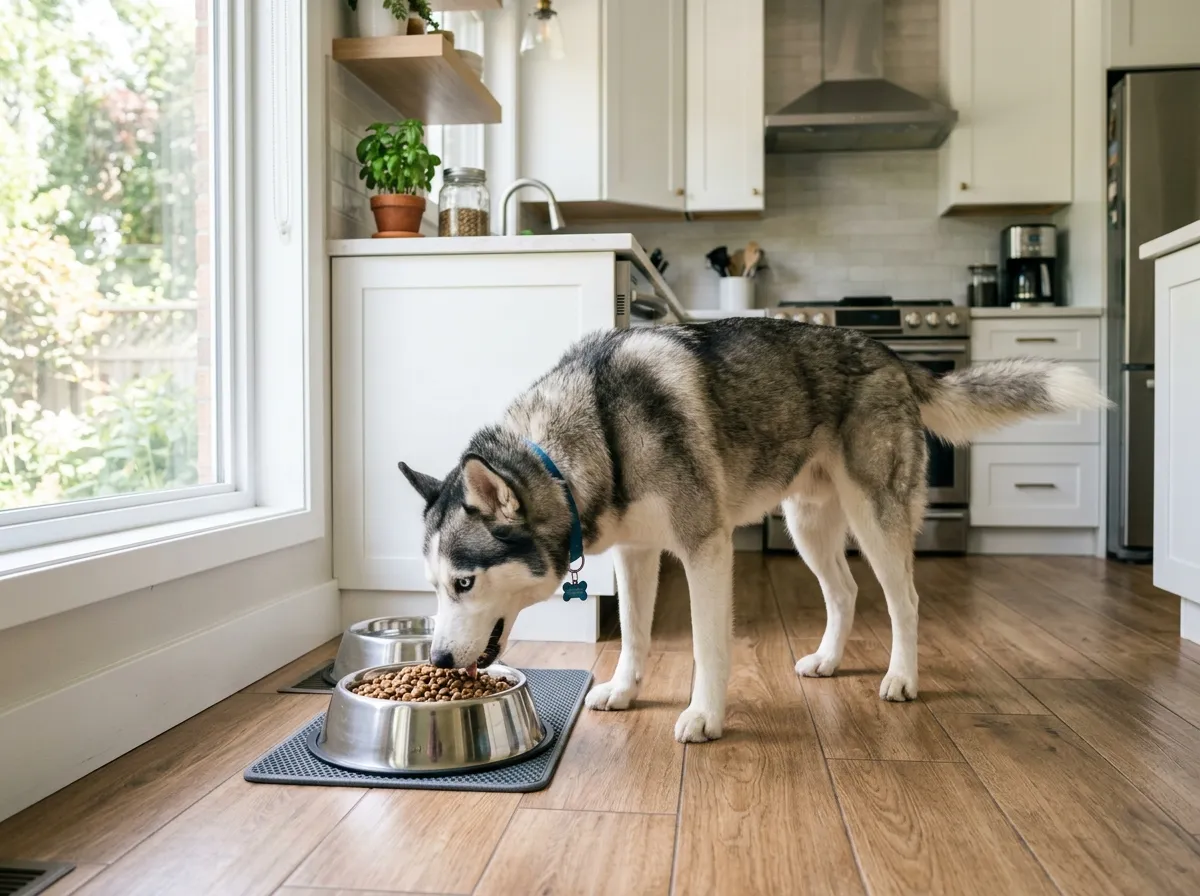
While the occasional bout of diarrhea is a normal part of life with a dog, there are straightforward steps you can take to reduce how often it happens.
Transition Food Gradually
If your dog develops diarrhea after switching foods, the transition may have been too fast. The American Kennel Club recommends spreading a food transition over one to two weeks — starting with mostly the original diet and slowly increasing the proportion of new food — so your dog’s GI tract has time to adjust.
Limit Table Scraps and Rich Treats
Many cases of dog diarrhea trace back to something the dog ate that their stomach simply was not ready for — fatty table scraps, too many treats, or food scavenged off the ground. Keeping your dog on a consistent, balanced diet is one of the most effective ways to maintain digestive health. For guidance on protecting your dog’s overall health and managing unexpected vet costs, read our guide on pet insurance for dogs or explore our Dog Safety category for more everyday wellness tips.
Keep Up With Parasite Prevention
Intestinal parasites are a common cause of recurrent diarrhea. Staying up to date on your dog’s deworming schedule and annual fecal exams helps catch any parasite issues early, before they become a recurring problem. Your vet can recommend the right prevention protocol for your dog’s lifestyle and risk level.
Manage Stress Triggers
Stress-related diarrhea is more common than many owners realize — especially around travel, boarding, fireworks, or household changes. If your dog is prone to stress-related digestive upset, talk to your vet about strategies for managing anxiety before, during, and after stressful events.
Final Thoughts
Diarrhea is one of those challenges every dog owner will face sooner or later. The good news is that with the right approach — a short fast, a bland diet, proper hydration, and a little patience — most mild cases resolve within a day or two without a vet visit.
The most important thing is knowing when to act and when to wait. Trust your instincts as a pet parent. You know your dog better than anyone — and if something feels off, a call to your vet is always the right move. Your dog’s health and comfort are always worth the extra step.
For more practical advice on keeping your pup happy and healthy day to day, explore our Care Tips and Health & Wellness categories here on The Dog Blog.