



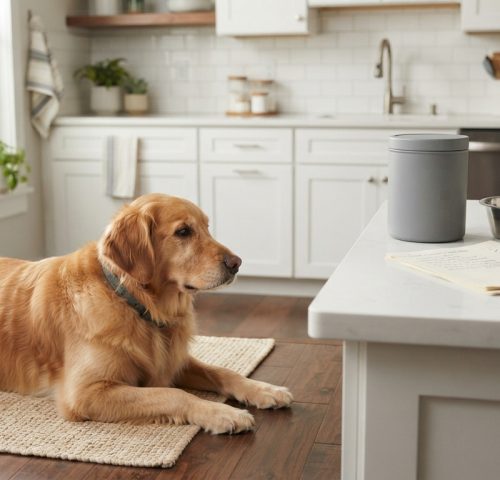

H5N1 can raise questions for raw-feeding dog owners. The most useful response is not panic. It is knowing what the evidence says, where exposure can happen, and when to ask a veterinarian for help.
This article gives general H5N1 raw dog food safety information for U.S. pet parents. Guidance can change, so check official updates and ask your veterinarian before changing a feeding plan.
What H5N1 Means for Dogs
Avian influenza viruses mainly affect wild birds and poultry, but they can infect other animals, including pets, after relevant exposure. The important point is that risk is linked to exposure, not simply to a dog walking outdoors or eating a normal cooked diet. The Centers for Disease Control and Prevention guidance on bird flu in pets advises keeping dogs away from sick or dead birds, backyard poultry, dairy cows, and potentially contaminated surfaces.
Dogs and cats are not affected in exactly the same way. Cats have been more prominently represented in reports of severe illness associated with H5N1 exposures. In its September 2025 update, the U.S. Food and Drug Administration said dogs can contract H5N1 but generally have milder signs and lower mortality than cats. That same update said H5N1 had not been detected in U.S. dogs at that time. This is why an article should avoid claiming that there is a current outbreak in dogs unless a new official source confirms it.
Know the signs that need veterinary advice
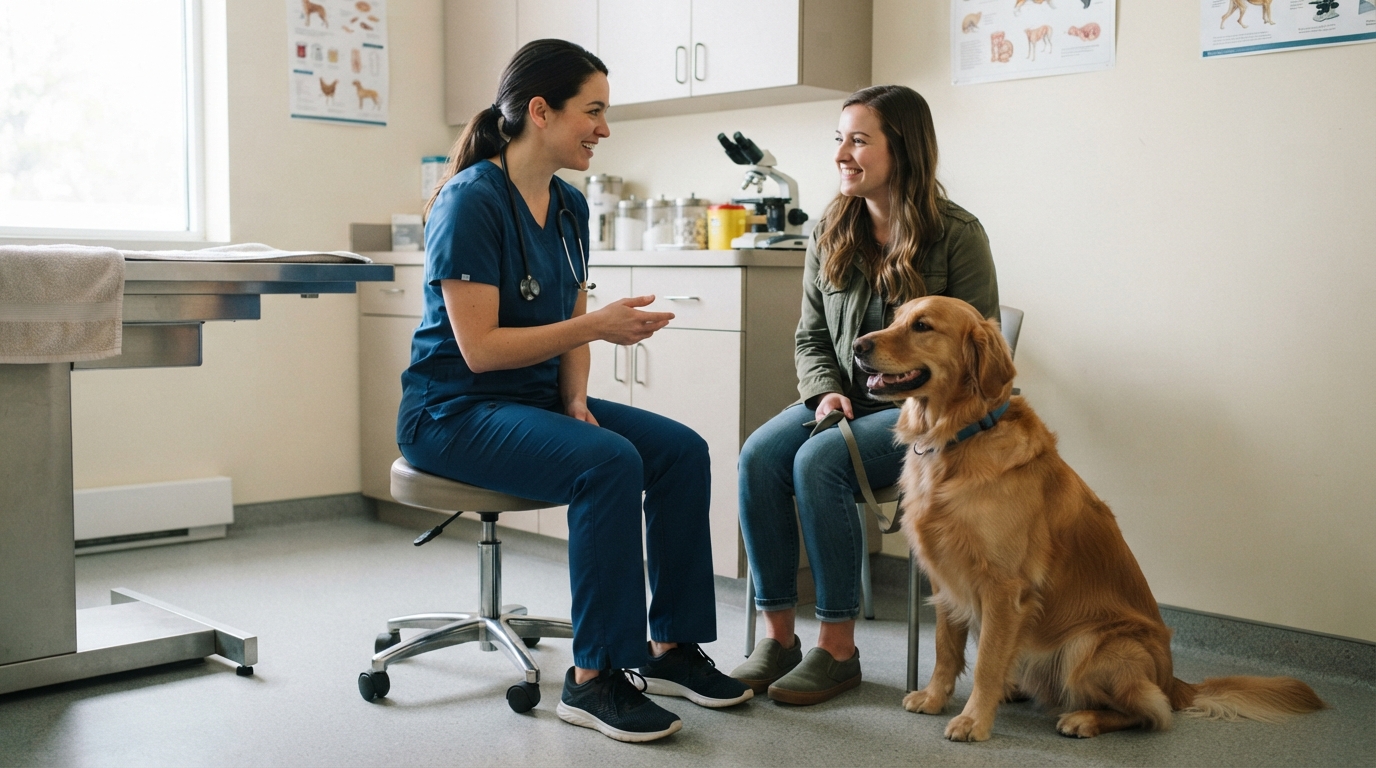
H5N1 cannot be diagnosed from one symptom or from an online checklist. If a dog has had a plausible exposure and develops low appetite, unusual tiredness, red or inflamed eyes, eye or nose discharge, breathing difficulty, tremors, seizures, poor coordination, or other concerning changes, call a veterinarian promptly. Breathing trouble, collapse, or seizures require urgent veterinary care. Tell the clinic about the possible exposure before arrival so the team can guide you safely.
Why Raw Food Is Part of the Conversation
Raw pet food may include uncooked meat, organs, bones, eggs, or unpasteurized milk. These ingredients have not been heated to a level that kills all germs. Raw diets are not automatically unsafe because of one ingredient, but they require a careful look at pathogens, handling, nutrition, and the people and pets in the household.
FDA requires covered cat and dog food manufacturers using uncooked or unpasteurized poultry or cattle ingredients to consider H5N1 in their food-safety plans. Its H5N1 pet-food safety update explains that uncooked meat, unpasteurized milk, and unpasteurized eggs from infected animals can create a possible exposure route when they have not undergone a process capable of inactivating the virus.
Freezing and freeze-drying are not guarantees
It is easy to assume that a frozen, freeze-dried, dehydrated, or human-grade product is risk-free. Those labels do not guarantee that every harmful germ has been eliminated. The CDC states that freezing, freeze-drying, and dehydrating reduce some germs but do not kill them all. Raw food may also carry bacteria such as Salmonella or Listeria, which can affect dogs and spread around kitchens, bowls, hands, and surfaces.
For a wider look at food choices, including fresh and individualized diets, read Personalized Dog Nutrition The Rise of Fresh Raw and Customized Meal Plans. A personalized diet should still be complete, balanced, and appropriate for your dog’s life stage and health needs.
Make a Safer Feeding Decision
CDC does not recommend feeding raw pet food or treats to dogs and cats. The agency recommends discussing a safe, healthy diet with a veterinarian and looking for food labeled complete and balanced when choosing a main diet. Its pet-food safety resource also notes that cooked kibble, canned food, and properly handled cooked fresh diets are among the options designed to reduce pathogen risk.
Consider your whole household
A feeding choice affects more than one dog. Extra caution is important when a home includes children under five, adults 65 or older, pregnant people, or anyone with a weakened immune system. Puppies, senior dogs, and dogs with health conditions may also be more vulnerable to illness. A veterinarian or board-certified veterinary nutritionist can help you weigh food safety, nutritional adequacy, and your dog’s individual needs.
It is also worth separating a raw-food discussion from a quality discussion. A cooked food can be poorly balanced, and a raw food can be thoughtfully sourced. The central question is whether the diet is nutritionally appropriate and whether your household can manage its safety risks. Our Complete Guide to Dog Nutrition explains the role of a complete and balanced diet across life stages.
If You Choose to Handle Raw Food
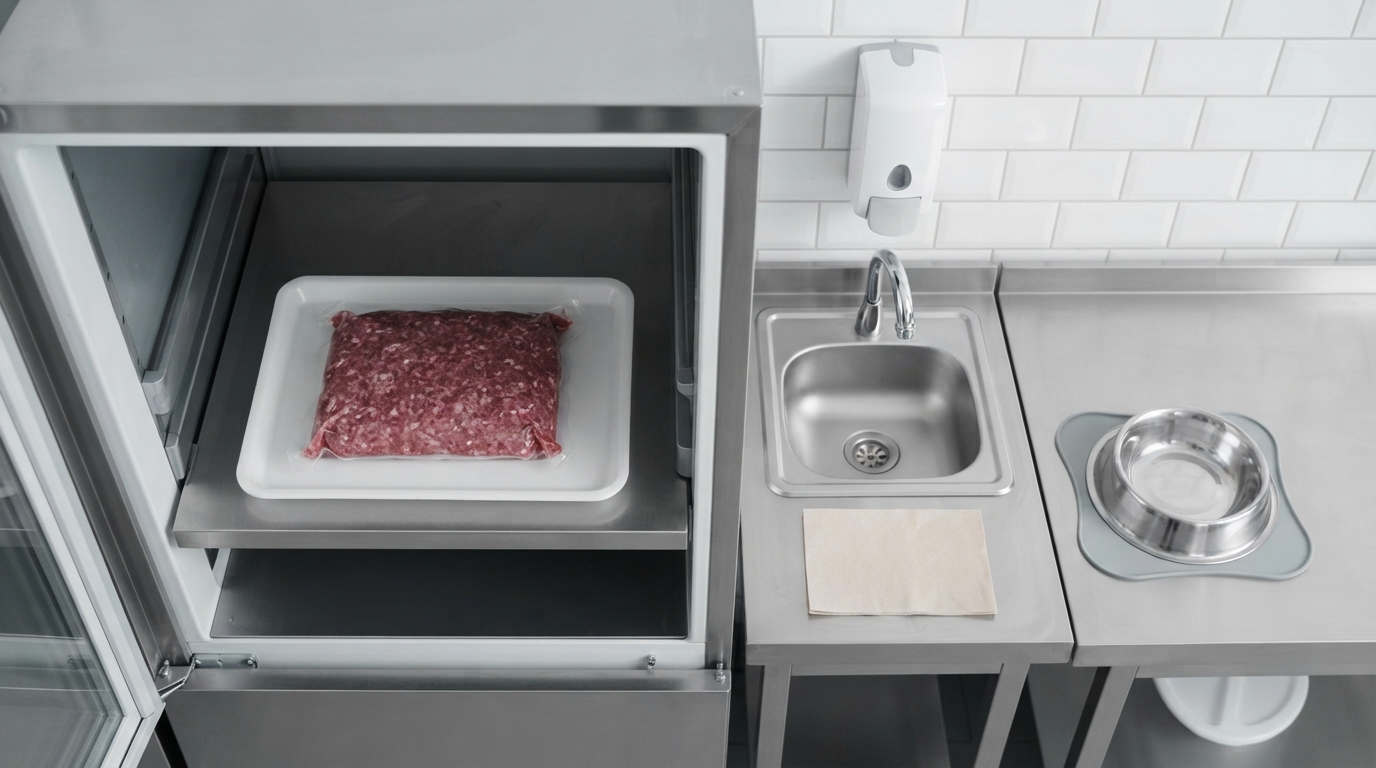
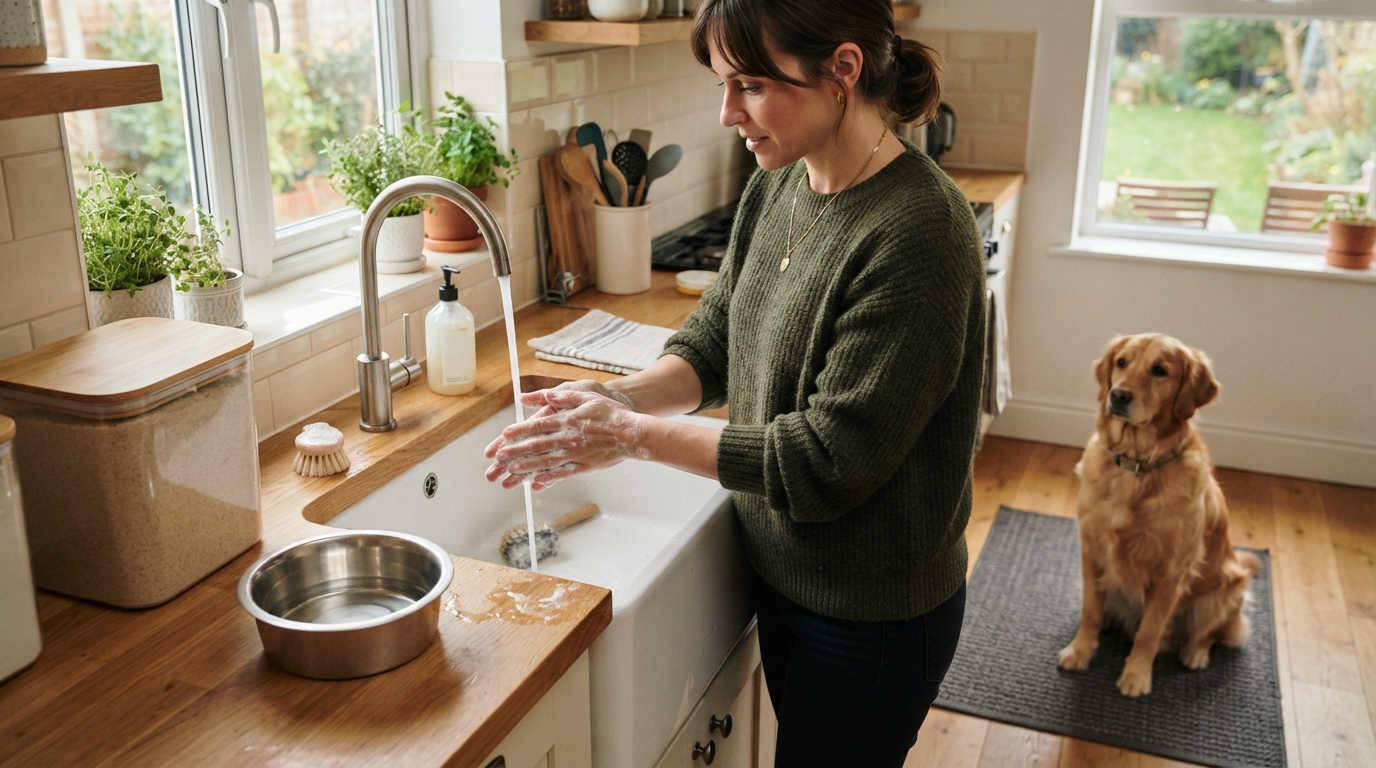
The safest option is to talk to your veterinarian before starting or continuing a raw diet. If you decide to feed raw food, reduce avoidable risks with consistent handling. Keep raw products sealed and separate from human food. Thaw frozen food in the refrigerator, not on a counter. Wash hands with soap and water after handling food, bowls, scoops, feeding mats, and packaging. Clean and disinfect surfaces and tools that touch raw food, and discard food left at room temperature.
Ask useful questions before you buy
- Does the company test final products for common foodborne germs?
- What validated steps does it use to reduce pathogens?
- Is the recipe formulated to be complete and balanced for your dog’s life stage?
- Does the manufacturer have qualified veterinary nutrition expertise?
- Where can you find current recall and lot information?
Do not feed recalled or visibly damaged food. Save packaging and lot details until the product is finished. If your dog becomes sick after eating a particular product, contact your veterinarian and follow official instructions for reporting a pet-food complaint. For everyday prevention habits beyond the food bowl, visit Essential Tips to Keep Your Pup Protected.
Prevent Exposure Beyond the Food Bowl
Food is only one part of H5N1 prevention. Do not let your dog touch, eat, or retrieve sick or dead birds. Keep dogs away from backyard poultry, wildlife, dairy animals, animal waste, and areas that may be contaminated. If you work with poultry, livestock, wildlife, or animal-care settings, change and clean clothing, footwear, and equipment before close contact with your dog.
Keep official context in proportion. The CDC’s March 2026 national situation summary described the public-health risk as low while noting ongoing animal outbreaks and sporadic human cases. That is not a reason to dismiss basic precautions. It is a reason to use reliable sources, avoid rumors, and focus on practical prevention.
When to Contact Your Veterinarian
Contact a veterinarian if your dog may have eaten raw food subject to a recall, consumed an unpasteurized animal product, or had contact with a sick or dead bird, poultry, dairy cow, or another potentially infected animal. Do not try to diagnose H5N1 at home, give human flu medicine, or change medication without veterinary direction.
A calm, evidence-led plan protects your dog and the people around them. Review your dog’s diet, practice careful food handling, keep wildlife encounters off-limits, and refresh official recall information before acting on social-media claims. When in doubt, a veterinarian who knows your dog’s health history is the best person to help you make a safe next decision.